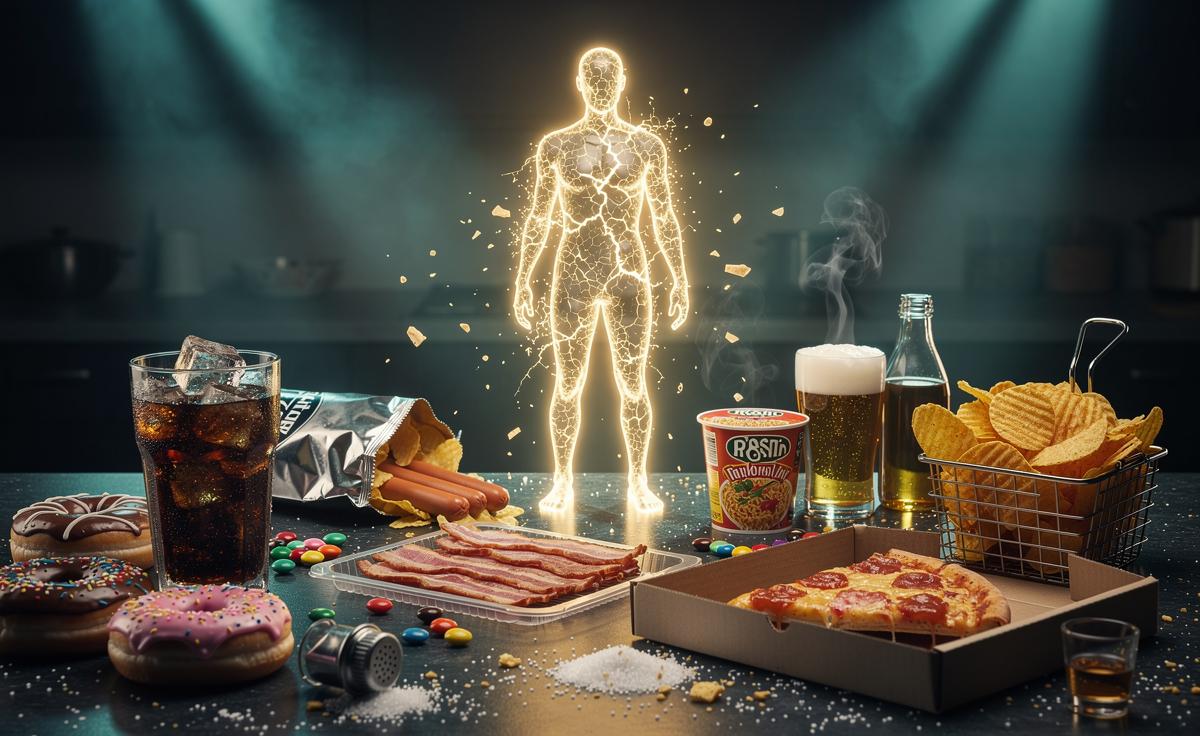
In a nutshell
- 🍭 High hits of free sugars from fizzy drinks and sweet snacks can dampen innate immune cells for hours; anchor sweetness with fibre, protein, and whole foods.
- 🏭 Heavy reliance on ultra-processed foods (UPFs)—including emulsifiers like E466 and E433—can disrupt the gut barrier and microbiome, stoking low-grade inflammation.
- 🧂 Excess salt from ready meals and takeaways skews immune signalling; switch to herb- and citrus-led seasoning to help recalibrate responses.
- 🍺 High alcohol intake suppresses NK cells and derails sleep and hydration; spacing drinks and building alcohol-free days restores immune competence.
- 🍟 Pro-inflammatory fats (reheated oils, trans fats, high omega-6:omega-3) keep immunity off-key; favour olive oil, nuts, and oily fish with simple smarter swaps.
Nutritionists across the UK are sounding the alarm about familiar foods that quietly blunt our defences. Not exotic toxins. Everyday staples. Think sweetened drinks, ultra-processed snacks, and the late-night takeaway that feels harmless after a long shift. The concern is simple: what we eat shapes how our immune cells behave, sometimes within hours. Short-term indulgences can translate into short-term vulnerability. Repeated often enough, they may prime the body for lingering, low-level inflammation. That doesn’t mean austerity or fear. It means clarity, and smarter swaps. Here is what the experts are watching, why it matters, and how to reclaim resilience without sacrificing taste.
Hidden Sugar Traps and Short-Term Immune Slumps
Few dietary shocks are as swift as a sugar surge. Studies show that large hits of rapidly absorbed sugar from fizzy drinks, energy drinks, sweetened coffees, and glazed pastries can dampen the responsiveness of innate immune cells for several hours. That’s your first line of defence stepping off the gas while cold and flu viruses circulate with winter gusto. The effect isn’t abstract; it’s measurable in the lab and noticeable in real life. Pair high sugar with low fibre and you turbocharge the problem, delivering glucose to the bloodstream fast and starving the gut microbiome of the roughage it thrives on.
Breakfast can be a trap. Many “healthy” cereals, flavoured yoghurts, and bottled smoothies hide double-digit teaspoons per serving. The result? Short spikes in insulin, oxidative stress, and a sluggish neutrophil response. That’s not a moral failing; it’s biochemistry. A simple tweak helps: anchor sweetness with fibre, fat, or protein. Whole fruit over juice. Oats over frosted flakes. Yoghurt that’s plain, topped with berries and nuts, not syrup. Sugar isn’t the enemy, but unchecked sweetness is an easy own goal for immunity. And yes, it adds up fastest when you drink it.
There’s a social angle too. Office celebrations, petrol-station snacks, late-night streaming with a litre of cola. Convenience nudges consumption. Tackling it isn’t about bans, it’s about visibility: check labels, prioritise fibre, and choose smaller bottles. Tiny acts, repeated, reverse the slump.
Ultra-Processed Convenience Foods: Emulsifiers, Additives, and the Microbiome
Britons now get a hefty share of calories from ultra-processed foods (UPFs)—items engineered with additives that rarely appear in a home kitchen. Nutritionists point to specific culprits. Emulsifiers such as carboxymethylcellulose (E466) and polysorbate 80 (E433) help keep textures smooth but have been linked in research to disrupted gut mucus layers and altered microbial communities. Some intense sweeteners and sugar alcohols can also unsettle the microbiome in susceptible people, amplifying immune noise even when calories are low. When the gut barrier frays, immune signalling misfires. That can mean low-level inflammation instead of the poised, targeted responses you actually need.
Not every UPF harms everyone equally. Dose, pattern, and personal biology matter. Still, a pattern emerges: frequent UPF meals, fewer plants, and less fibre correlate with shakier immune balance. The fix isn’t performative purity; it’s reducing the routine reliance on packets for every meal. Cook one extra portion for tomorrow. Choose breads with recognisable ingredients. Swap creamy, additive-heavy sauces for olive oil, lemon, and herbs. These swaps lower the additive load while restoring the microbial “conversation” immunity depends on.
| Food Category | Immune Concern | Smarter Swap |
|---|---|---|
| Sugary drinks | Rapid glucose spike; short-term immune sluggishness | Water, sparkling water, whole fruit, unsweetened tea |
| UPF crisps and snacks | Additives, low fibre, pro-inflammatory oils | Nuts, seeds, air-popped popcorn, hummus and veg |
| Processed meats | Nitrites, AGE compounds, oxidative stress | Roast chicken, tinned fish, beans with herbs |
| High-salt ready meals | Immune imbalance, raised blood pressure | Home-cooked batch pots, lower-salt options |
| Excess alcohol | Reduced immune cell activity, poor sleep | Alcohol-free options, alternate-day drinking |
Salt, Alcohol, and Fats: The Quiet Saboteurs
Salt sounds mundane. It isn’t. High-salt patterns have been linked to shifts in gut microbes and immune cell behaviour that skew responses when you most need precision. That’s especially relevant for people leaning on salty ready meals, takeaway pizzas, and heavily seasoned snacks. Dialling back salt can help re-centre the body’s balance between defence and overreaction. Read labels, compare brands, and let herbs and citrus do more of the heavy lifting. Your taste buds adapt quickly; your immune system, too, prefers calm signals over constant, salty static.
Alcohol is a blunter instrument. In higher amounts, it suppresses natural killer cells, macrophages, and critical cytokine signalling. Add disrupted sleep and dehydration and you have a triple hit. The result? Slower responses to pathogens and a longer tail on recovery. That doesn’t negate the pleasure of a pint with friends; it argues for pacing and alcohol-free intervals. The good news is straightforward: spacing drinks and prioritising sleep restores a surprising amount of immune competence. Your next-day clarity is the first sign.
Then there are fats. Not all equal. Diets dominated by reheated frying oils, trans fats, and an outsized omega-6 to omega-3 ratio can stoke inflammatory pathways and impair cell signalling. Choose olive oil more often, oily fish weekly, and treat deep-fried comfort as just that—occasional. It’s not asceticism; it’s strategy. One that lets flavour stay vivid while dialling down the background noise that keeps immunity off-key.
None of this demands perfection. It invites attention. Small, consistent swaps—fewer liquid sugars, fewer additive-heavy UPFs, and steadier choices on salt, alcohol, and fats—shift the terrain in your favour. Immune strength is not a mystery; it’s a mosaic. Every meal places a tile. Some shine, some dull the picture. Your next shop, your next quick lunch, your next night out—each is a chance to choose clarity over clutter. What one change will you test this week to help your immune system work smarter, not harder?
Did you like it?4.6/5 (30)