In a nutshell
- 🔎 Understand free sugars: added sugars plus those in honey, syrups, and juice; UK guidance caps adults at 30g/day, as excess raises risks for weight gain, tooth decay, and metabolic issues.
- 🏷️ Decode labels: check “carbohydrates, of which sugars” per 100g, use the UK traffic light system, and watch for aliases like fruit juice concentrate, maltodextrin, and syrups that inflate totals.
- 🥣 Spot stealth sources: sweetened cereals, flavoured yoghurts, condiments, breads, snack bars, and drinks—especially liquid sugar from sodas and smoothies—often outpace expectations; choose products ≤5g sugar/100g for daily use.
- 🔁 Make smart swaps: pick unsweetened staples, halve sugar in hot drinks gradually, flavour food with spices, citrus, and vinegar, and apply a quick rule—aim for green/amber sugars, reserve reds for treats.
- ✅ Build lasting habits: plan protein-rich snacks, bake with less sugar, favour whole foods, and retrain your palate—leading to steadier energy, fewer cravings, and informed choices without strict restriction.
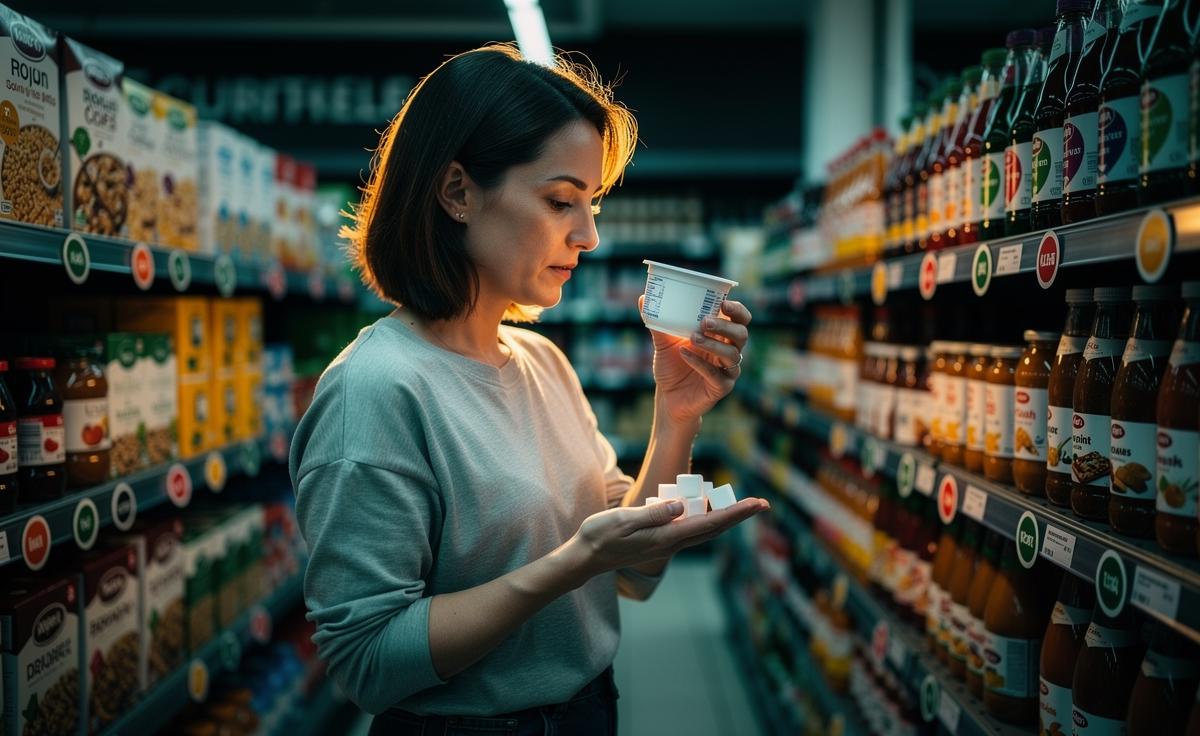
We think we know where sugar hides: sweets, puddings, fizzy drinks. The truth is trickier. Free sugars slip into breakfast cereals, “healthy” yoghurts, even shop-bought soups. In the UK, adults are advised to keep free sugars below 30g per day, yet typical eating patterns nudge us higher without ever tasting overtly sweet. That’s not scaremongering. It’s logistics. The biggest culprits often masquerade as everyday staples. This guide unpicks labels, exposes aliases, and offers practical ways to cut back without living like a monk. Some changes are tiny. Others reshape habits. All of them are doable, even on a tight budget and with zero time to spare.
Why Hidden Sugar Matters in the UK Diet
Let’s start with definitions. The UK focus is on free sugars: those added to foods, plus sugars naturally present in honey, syrups, and fruit juices. They exclude the sugars locked inside whole fruit, vegetables, and milk. That distinction matters. Free sugars hit quickly and add calories without meaningful fullness. Over time, that can crowd out nutrient-dense foods and push weight, tooth decay, and metabolic risk in the wrong direction.
Here’s the practical bit. Adults should keep free sugars under 30g per day (roughly 7 teaspoons), children even less. Yet a “light” breakfast plus a grab-and-go lunch can blow the budget by noon. Flavoured yoghurt? Often 10–18g per pot. Sauces and dressings? A stealthy 5–8g per serving. Even bread, granola, and plant milks can tip the scales. Your palate adapts to sweetness over time, so your “normal” might be sweeter than you think. Once you start reading labels, you’ll see patterns—and opportunities to switch—everywhere.
Decode the Label: Names, Numbers, and Serving Tricks
First rule: check “carbohydrates, of which sugars” on the back, ideally per 100g. In the UK traffic light system, high sugar is typically red at >22.5g per 100g (or >11.25g per 100ml for drinks). Low sugar is green at ≤5g per 100g. Per-portion figures can mislead if the portion is tiny. Always sanity-check the 100g number and the realistic portion you’ll eat. Convert grams to teaspoons by dividing by four: 12g sugar equals about 3 teaspoons.
Ingredients are listed by weight, so if sugar or its cousins sit near the top, that’s your sign. Manufacturers often use multiple sweeteners in small amounts to avoid “sugar” topping the list. Watch for honey, syrups, and fruit juice concentrates—still free sugars. Here are common aliases you’ll spot:
| Label term | What it is | Typical source |
|---|---|---|
| Sucrose, glucose, fructose | Basic sugars | Table sugar, sweets, cereals |
| Dextrose, maltose, lactose | Simple sugars | Breads, sports drinks, dairy |
| Honey, agave, maple syrup | Natural sweeteners | Yoghurts, granola, sauces |
| Fruit juice concentrate | Concentrated fruit sugar | “No added sugar” snacks, drinks |
| Maltodextrin, invert sugar | Processed sweeteners | Bars, biscuits, ready meals |
If you spot three or more of these in one product, expect a higher sugar load despite “healthy” branding. Prioritise products with ≤5g per 100g for everyday use, and keep sweeter choices in smaller, conscious portions.
Everyday Foods That Surprise You
Breakfast is ground zero. Many cereals marketed as “wholegrain” still deliver 8–15g sugar per 30g serving—and most of us pour more. Granola can be worse. Flavoured yoghurts? Delicious, but often sweetened with fruit puree or concentrates as well as sugar. Choose plain yoghurt and add fruit or a dusting of cinnamon for control. Plant milks labelled “original” or “barista” blends may be sweetened; look for unsweetened on pack.
Condiments and sauces are stealthy. Ketchup, teriyaki, hoisin, and sweet chilli can add 1–2 teaspoons per serving. Pre-made soups sometimes rely on sugar to balance acidity. Breads and wraps vary widely; some use malt extract for colour and flavour. Snack bars waving the “no added sugar” flag frequently use dates or concentrated fruit—still sugar-dense. Dried fruit is handy but compact in sugars; pair with nuts for better balance. Drinks matter most: sugary sodas, “energy” drinks, and even smoothies stack up fast. A 250ml glass of smoothie can rival a cola in sugar, despite the vitamins. Liquid sugar sprints into your system; whole fruit strolls in with fibre.
Smart Swaps and Habit Tweaks That Stick
Success isn’t about austere rules. It’s about nudges that repeat. Step one: switch to unsweetened versions of staples—plant milks, cereals, nut butters. Step two: retrain your drinks. Halve sugar in tea or coffee for two weeks, then halve again. Your palate will catch up. Tiny reductions compound into big changes without drama. At breakfast, trade honey-drizzled granola for warm oats topped with chopped apple and seeds. For snacks, go for yoghurt plus berries, cheese and oatcakes, or hummus with veg sticks.
Cook with flavour, not sugar: use citrus, vinegar, tomato paste, chilli, garlic, and spices. In baking, cut sugar by a third and lean on vanilla, cinnamon, or cocoa for perceived sweetness. For desserts, try fruit-forward options—baked pears, bitter chocolate squares, or ricotta with raspberries. Plan ahead: carry a protein-rich snack to avoid the 4 p.m. vending trap. Read labels quickly with a rule of thumb: aim for green or amber sugars on traffic lights, and reserve reds for treats you truly want. Make swaps you enjoy, not penances you endure—that’s how the habit sticks.
Hidden sugar isn’t a mystery once you know where to look. Labels tell a story, ingredients reveal intent, and your palate can be retrained with small, steady steps. Prioritise whole foods, choose unsweetened defaults, and keep sweet treats special rather than routine. You’ll notice steadier energy, fewer cravings, and meals that taste more like themselves. The goal isn’t perfection; it’s awareness and choice. Which product in your cupboard will you check first, and what simple swap could you try this week?
Did you like it?4.6/5 (24)