In a nutshell
- 🌿 Eat 30 diverse plant foods per week to boost microbiome diversity and prebiotic fibre; rotate fruit, veg, wholegrains, legumes, nuts, seeds, herbs, and spices, increasing gradually with good hydration.
- 🧫 Add daily fermented foods—live yoghurt, kefir, sauerkraut, kimchi, miso, tempeh, kombucha—choosing “live cultures” and pairing with fibre-rich meals for sustained benefits.
- 🍟➡️🥗 Cut ultra-processed foods (UPFs) and optimise fats: favour extra-virgin olive oil and rapeseed oil, include omega-3 sources (oily fish or flax/chia/walnuts), and batch-cook wholefood staples.
- 💤 Support the gut–brain axis with quality sleep, stress management, and regular movement (brisk walks, strength work); note red flags (pain, bleeding, weight loss) and seek medical advice.
- ⏱️ Personalise with meal timing, hydration (1.5–2L/day), and smart carbs like resistant starch from cooked-and-cooled potatoes, rice, and pasta; use a food-symptom diary if IBS is suspected.
Brits are talking about the gut again. Not a fad, a foundation. In 2026, nutritionists expect the focus to sharpen on daily habits that nourish your inner ecosystem, not quick fixes. Think plants, fermented foods, sleep, and less ultra-processed snacking. Why? Because your microbiome influences everything from digestion to mood and immunity. The good news: small, practical tweaks create momentum. Add one new food. Swap one product. Go for one short walk. These actions stack. Consistency outperforms perfection for gut health. Here’s how to improve gut health with five expert-backed tips designed for real life, busy routines, and a British cupboard.
Eat 30 Plants a Week for Fibre Diversity
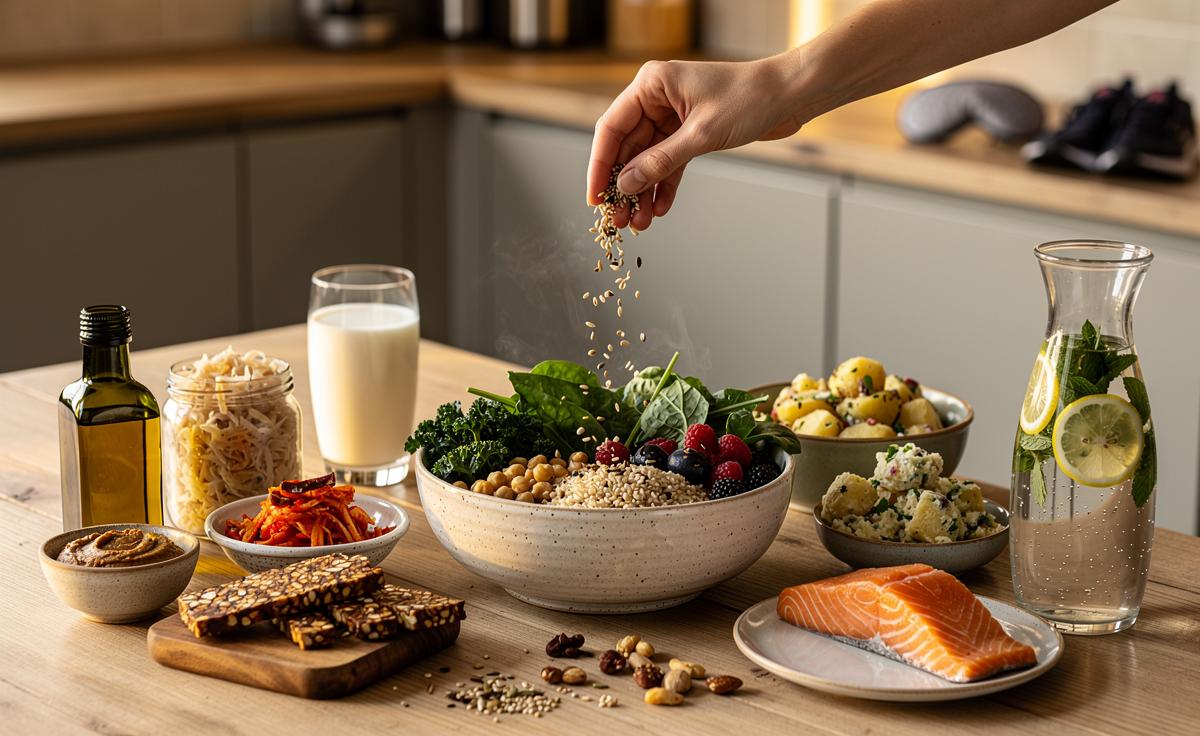
One habit leads the pack: variety. Research from UK and international cohorts suggests that eating around 30 different plant foods per week supports a more diverse gut microbiome, which is linked with resilience and metabolic health. Diversity matters because different microbes feed on different fibres, known as prebiotics. So aim beyond “five a day” by including fruit, vegetables, wholegrains, legumes, nuts, seeds, herbs, and spices. Little counts. A sprinkle of mixed seeds, a handful of berries, a new herb in your omelette. Diversity beats volume when you’re pressed for time.
Build it simply. Base meals on wholegrains such as oats, brown rice, barley, or wholewheat pasta. Rotate beans—chickpeas one day, lentils the next. Keep frozen veg and mixed berries for quick wins. Nuts and seeds bring crunch and healthy fats; try walnuts, almonds, pumpkin seeds, and flaxseed. Spice racks are a secret weapon: cinnamon, turmeric, paprika, and mixed herbs all add plant “points.” If you struggle with bloating when upping fibre, increase gradually and drink more water. A realistic target: add two new plants this week, then two more next week, until the 30-plant rhythm becomes your new normal.
Prioritise Fermented Foods and Live Cultures
Fermented foods deliver live cultures and bioactive compounds that may support microbial balance and gut barrier function. Think live yoghurt, kefir, sauerkraut, kimchi, miso, tempeh, and kombucha. Daily inclusion is the goal, not mega-doses. A small glass of kefir with breakfast. A spoonful of sauerkraut next to your sandwich. A miso broth at lunch. Regularity matters more than novelty. Choose products labelled “live” or “contains live cultures,” and consider lower-salt ferments if you’re watching sodium. For yoghurt, go plain to avoid added sugars; sweeten with fruit and a dash of cinnamon.
Here’s a quick reference to get started:
| Food | How to Use | Notes |
|---|---|---|
| Live yoghurt or kefir | Breakfast bowl, smoothie base | Look for “live cultures” on label |
| Sauerkraut or kimchi | Side with eggs, salads, wraps | Raw, not pasteurised, for live microbes |
| Miso | Stir into warm (not boiling) water | Boiling can reduce live activity |
| Tempeh | Stir-fries, grilled, crumbled in tacos | Fermented soy; high in protein |
| Kombucha | Occasional swap for soft drinks | Choose low-sugar options |
If you’re new to ferments, start small—tablespoon portions—to let your gut adapt. People with histamine intolerance or active flares of gastrointestinal conditions may prefer gentler options such as live yoghurt; check what feels right. Pair ferments with plenty of fibre to give those microbes something to eat.
Cut Ultra-Processed Foods and Optimise Fats
Ultra-processed foods (UPFs) are convenient but often packed with emulsifiers, artificial sweeteners, and refined starches that may nudge the microbiome in the wrong direction. Not every packet is problematic, yet routines built on crisps, sweets, and ready meals leave your microbes hungry for prebiotic fibre. Begin with swaps you’ll actually keep: oats instead of sugary cereal, wholegrain wraps over white bread, nuts instead of confectionery. Read labels. Short ingredients lists often mean fewer additives; cooking oils matter, too. Extra-virgin olive oil brings polyphenols that microbes can metabolise, while UK rapeseed oil offers a favourable profile for everyday cooking.
Balance your fats. Include omega-3 sources—oily fish like salmon, mackerel, sardines twice a week—or plant options such as milled flaxseed, chia, and walnuts. Use olive oil for dressings and low-to-medium heat; save neutral oils for higher-heat cooking. Keep emulsifiers and sweeteners as “sometimes” items, especially if you notice digestive sensitivity. The simplest rule: eat foods your great-grandparents would recognise most of the time. When life gets busy, batch-cook a pot of bean chilli or a tray of roasted veg and grains. Convenience can be home-made, cheap, and delicious.
Sleep, Stress, and Movement: The Lifestyle Triad
Your gut talks to your brain, constantly. Poor sleep, chronic stress, and long sedentary stretches can disrupt microbial rhythms and digestion. Aim for 7–9 hours in a cool, dark bedroom and keep a regular wake time, even on weekends. Morning daylight anchors your body clock; caffeine after lunch can push sleep later, so bring your brew earlier if you’re sensitive. A short wind-down—stretching, reading, breathwork—helps your gut through the vagus nerve. A calmer brain feeds a calmer gut.
Movement matters for motility. Brisk walks aid bowel regularity; so does strength training, which supports insulin sensitivity and metabolic health that in turn influences the microbiome. You don’t need marathons. Ten-minute bursts after meals do wonders. Add a gentle core session to reduce bloating discomfort and improve posture. Stress tools should be pragmatic: box breathing before meetings, brief phone-free breaks, a five-minute body scan in bed. If symptoms such as persistent pain, weight loss, bleeding, or severe diarrhoea appear, seek medical advice promptly. Lifestyle isn’t a cure-all, but it powerfully stacks the odds in your favour.
Personalise With Timing, Hydration, and Smart Starches
Personalisation doesn’t require pricey tests. Start with rhythm. Many nutritionists favour a 12-hour overnight fast (for example, 8pm to 8am) to give the gut a break, then regular meals to stabilise appetite and energy. Test what meal timing leaves you alert and comfortable; some thrive on earlier dinners. Hydration is basic but critical—aim for around 1.5–2 litres daily, more with exercise. Herbal teas count. So does water-rich produce like cucumber and oranges. Small timing shifts can make big comfort gains.
Leverage resistant starch—a microbiome-friendly carbohydrate. Cooked-and-cooled potatoes, rice, and pasta create more of it; enjoy them as salads or reheated dishes to feed beneficial bugs. Pulses are another win: tinned lentils and beans are affordable, fast, and gentle when rinsed well. If you have IBS, consider portion sizes and keep a food-and-symptom diary; a trained dietitian can guide a short-term low-FODMAP approach before reintroductions. Add polyphenol-rich extras—berries, cocoa, olives, extra-virgin olive oil, and brewed tea—because microbes use these plant compounds, too. Personalisation means choosing the simplest set of behaviours you can sustain, not chasing perfection or trends.
Gut health is a long game. Nurture diversity, add live cultures, cut back on UPFs, give your body rest, and personalise your plate and timing. The payoff is quiet: steadier digestion, better energy, fewer swings. Start tiny, keep going, and let your microbes adapt. Your gut is resilient when you give it the right inputs. Which of these five habits feels most doable this week, and what’s the first small step you’ll take to put it into practice?
Did you like it?4.4/5 (29)