In a nutshell
- 🧠 Dogs form a biological bond with humans: mutual oxytocin spikes, a secure base attachment pattern, and empathic responsiveness that mirrors close human relationships.
- ❤️ Dog ownership delivers health dividends: more daily steps, lower cortisol, better heart-rate variability, and reduced all-cause mortality, especially for people living alone.
- 🤝 Canines act as a social catalyst: more neighbourly interactions, less loneliness, and effective animal-assisted interventions in schools, universities, and clinical settings.
- 👃 Service meets science: superior olfaction enables detection of hypoglycaemia, seizures, and infections; guide and assistance dogs enhance independence through intelligent disobedience and calibrated teamwork.
- 🏙️ Partnership with responsibility: consistent routines, strong welfare standards, and dog‑friendly design (parks, paths, shops) pull us offline into shared spaces and healthier daily habits.
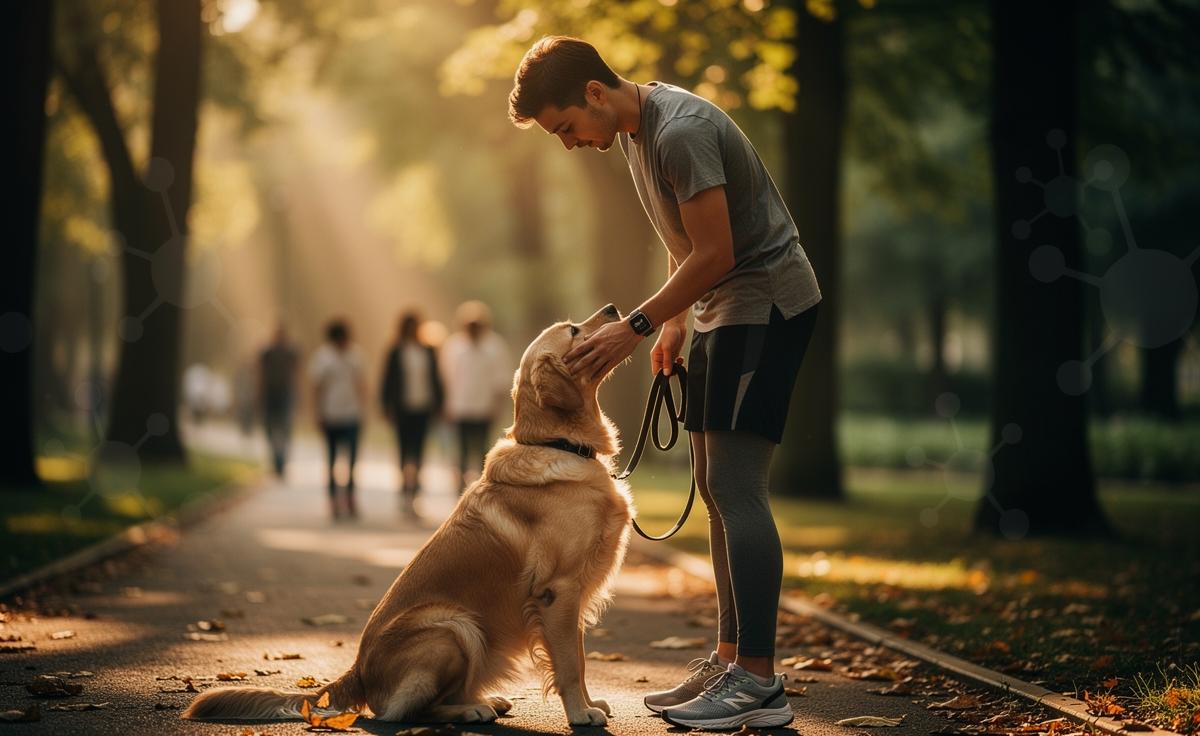
We think we chose dogs. The evidence suggests they chose us, too. Across genetics, neuroscience, and public health, research keeps converging on one conclusion: dogs are unrivalled companions. They lower our stress, nudge us outdoors, and seem to read our moods with uncanny finesse. Not all magic; much of it measurable. Scientists have tracked oxytocin, heart-rate variability, even how we move through city streets when a lead is in hand. What looks like affection is also a finely tuned biological alliance that benefits both species. In Britain’s parks and living rooms alike, the mystery has become a story of biology meeting everyday life.
The Science of Bonding: Oxytocin, Attachment, and Empathy
Start with the chemistry. When a dog gazes at its person, both human and animal show a rise in oxytocin, the hormone linked to trust and bonding. Studies using the “secure base” paradigm—adapted from infant psychology—find that many dogs use their owners as a reliable anchor, exploring more confidently when their person is present. In plain terms, dogs are biologically equipped to form deep, reciprocal attachments with us. This isn’t mere sentiment; it’s a two-way neurochemical loop that mirrors the scaffolding of close human relationships.
Communication is the next layer. Dogs excel at interpreting human social cues, from pointing gestures to subtle shifts in tone. Brain imaging research indicates they process both meaning and prosody, allowing them to respond to familiar words and emotional colouring. That’s why “Walk?” can get a different reaction from “Wait,” even when both are spoken softly. Over thousands of years, selective pressures favoured canines that could collaborate, anticipate, and soothe.
Critically, this sensitivity runs beyond obedience. Many dogs display a form of empathic responsiveness: approaching distressed humans, offering contact, staying close. It’s not perfect mind-reading. Yet the behavioural pattern—seeking proximity, mirroring calm—matches what we’d expect from a companion animal shaped by cooperation. Dogs are primed to notice us, and to act on what they notice.
Health Dividends: From Daily Steps to Heart Protection
Companionship pays dividends in health. UK data repeatedly show dog owners rack up more daily steps and moderate-intensity minutes, often without realising it. Regular walks translate into better cardiovascular fitness, stronger joints, and improved sleep. That baseline movement matters. Longitudinal registry studies, including large European cohorts, associate dog ownership with lower all-cause mortality, particularly among individuals living alone. Stroke and heart attack survivors who own dogs also show improved survival rates, likely due to consistent activity and routine.
| Benefit | Representative Evidence |
|---|---|
| More physical activity | Owners report higher step counts and walking frequency in UK and European cohort studies. |
| Cardiovascular protection | Reduced mortality in large registry analyses; benefits strongest for single-person households. |
| Stress reduction | Lower heart rate and cortisol during/after petting sessions; improved heart-rate variability. |
Touch is its own therapy. Quiet stroking can lower cortisol, increase parasympathetic activity, and steady breathing, particularly in high-pressure settings like hospitals or workplaces. It’s a pocket-sized intervention with scalable effects: a calmer moment now, better resilience later. Dogs also structure time—morning walks, evening feeds—which can stabilise mood and support recovery from illness. The takeaway is unglamorous but profound: routine, movement, and comfort, delivered reliably by a creature that needs them, too.
Social Glue and Emotional Support in a Fractured World
Walk a dog through a British high street and strangers will talk to you. That’s not coincidence; it’s the social catalyst effect. Studies show dogs increase micro-interactions—smiles, chats, neighbourly help—building the weak ties that make communities feel safer and more supportive. For older adults, such contact reduces loneliness, a risk factor for poor health. For new parents or recent movers, a dog can be the fastest route into a local network. Dogs bridge gaps we struggle to cross on our own.
There’s also clinical heft. In schools, reading-to-dogs programmes help anxious pupils find their voice; in universities, therapy-dog sessions dampen exam stress. Carefully supervised animal-assisted interventions have shown benefits for PTSD, depression, and chronic pain, often by improving regulation—heart rate, breath, attention—while offering non-judgemental presence. None of this replaces professional care. Yet alongside counselling, medication, and social prescribing, a dog can be a stabilising partner, encouraging exposure to daylight, gentle activity, and consistent routines that make other treatments stick.
Crucially, the benefits spill over into public life. Dog-friendly designs—parks, walking paths, water bowls at shops—multiply chance encounters and reshape how we inhabit streets. In an era of digital overload, dogs pull us offline and into shared spaces, one walk at a time.
Intelligence on a Lead: Communication, Smell, and Service
Call it quiet brilliance. Dogs can learn hundreds of words, distinguish praise from reprimand by tone, and solve problems collaboratively when humans signal clearly. But their superpower is olfaction. With up to 300 million scent receptors, they detect volatile compounds at concentrations beyond our instruments. That’s why trained dogs can alert to hypoglycaemia, impending seizures, or even infections, sometimes before symptoms surface. Research groups have documented accurate detection of cancers, malaria, and viral illnesses via odour signatures.
Then there’s service work. Guide dogs transform mobility and independence; assistance dogs retrieve medication, open doors, stave off isolation. For autistic people, a calm, predictable canine presence can reduce sensory overload and interrupt distress. When communication is hard, a dog offers a different channel—steady, tactile, and sincere. This isn’t magic, nor is it uniform: breed, training, and individual temperament matter. Yet the pattern holds. Given clear jobs and humane guidance, dogs thrive, and their people do too.
We should retire the myth that smarts equal blind obedience. The best working dogs display intelligent disobedience—refusing unsafe commands, recalibrating to context. That’s partnership, not subservience, and it’s the mark of a relationship forged through respect, patience, and well-timed reward.
Pull the threads together and a picture emerges: biology, behaviour, and daily life interlock to make dogs exceptional companions. They boost our health, stretch our social worlds, and tune into our emotional frequency with rare fidelity. None of this excuses poor welfare or impulsive adoptions; the responsibility is real, lifelong, and not always easy. But when the match is right, the evidence and the experience align. Given what we now know, how might we redesign our homes, streets, and schedules to honour this partnership—and what could your next walk reveal about the dog at your side?
Did you like it?4.6/5 (27)