In a nutshell
- 🌿 Magnesium drives photosynthesis and energy transfer, boosting root hairs, branching, and nutrient foraging; balanced with calcium and potassium, it underpins enduring root vitality.
- 🧂 Epsom salt (magnesium sulfate) is a fast, pH-neutral source of Mg and sulphur; it’s ideal for quick corrections but not a complete fertiliser and differs from dolomitic lime.
- 🧪 Apply with care: soil drench 15–20 g in 5 L water per m² every 4–6 weeks; foliar spray 5–10 g/L every 2–3 weeks; containers 1–2 g/L of mix; hydroponics target 20–30 mg/L Mg.
- 🔍 Diagnose first: interveinal chlorosis on older leaves signals Mg deficiency; overuse shows tip burn, salt crusting, and Ca/K antagonism—use gypsum or dolomite where appropriate.
- 🌱 Strategy matters: pair Mg with adequate N and P, keep Ca steady, use small, measured doses, and confirm need via soil/tissue tests to avoid waste and imbalance.
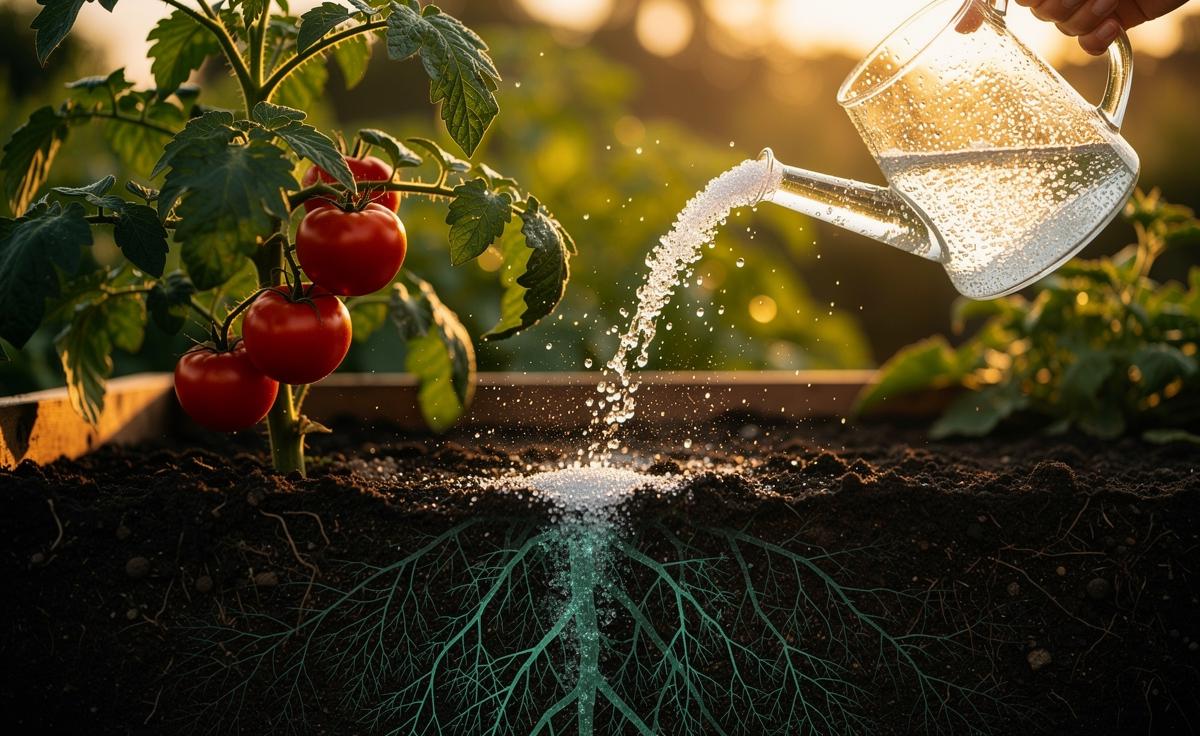
Gardeners swear by Epsom salt for reviving lacklustre borders and sluggish containers, but the science behind the myth is more interesting than the folklore. At its heart is magnesium, the quiet workhorse of plant metabolism, paired with sulphur in highly soluble magnesium sulfate. When roots are short, nutrient uptake dips and growth stalls. A measured Epsom salt solution can reset that balance. Used judiciously, it supports vigorous roots without rewriting your entire fertiliser plan. Below, we unpack how magnesium fuels roots, what Epsom salt actually does in soil and leaves, and practical ways to apply it safely—so your beds, borders, and veg plots get the boost they truly need.
Why Magnesium Fuels Vigorous Roots
Magnesium sits at the centre of chlorophyll. That single atom enables photosynthesis, which generates sugars that move through the phloem to feed roots. No energy, no roots. Yet magnesium’s role extends further: it stabilises ATP, activates key enzymes, and supports root-tip cell division. The result is more root hairs and a network able to forage efficiently for phosphorus, potassium, and micronutrients. Healthy roots depend on a steady magnesium supply. When supply falters, older leaves show interveinal yellowing; soon after, carbohydrate delivery to the rhizosphere declines, starving the root system and the beneficial microbes that surround it.
Magnesium is mobile in the plant. That’s why deficiency appears first on older foliage as the nutrient is reallocated to new growth. Left untreated, weakened photosynthesis reduces root exudates—those sugary signals that build soil life—and the plant loses its edge in nutrient uptake. There’s also balance to maintain. Excess potassium or calcium can antagonise magnesium; conversely, insufficient magnesium can make potassium look deficient. The sweet spot is balance, not brute force. With the right dose, roots thicken, branching improves, and transplants establish faster, especially in sandy or intensively watered soils where magnesium leaches easily.
For fruiting crops—tomatoes, peppers, cucumbers—the link is tangible. Stronger roots mean steadier water and nutrient access during flowering and fruit fill, which supports flavour and firmness. In lawns and ornamentals, the benefit is subtler but still real: deeper rooting, better drought tolerance, and cleaner colour. Root vitality is the bank account; magnesium is a reliable deposit.
What Epsom Salt Actually Does
Epsom salt is magnesium sulfate heptahydrate (MgSO₄·7H₂O). It dissolves rapidly, making it a fast-acting source of both magnesium and sulphur. The latter matters: sulphur forms part of essential amino acids and supports enzymes that mediate nutrient uptake and disease defence. In practical terms, that means a drench or foliar spray can correct mild deficiencies quickly, often within a fortnight. Epsom salt is not a complete fertiliser, and it cannot replace nitrogen, phosphorus, or potassium, but it can unlock better use of them by restoring photosynthetic efficiency and energy transfer.
It’s also distinct from dolomitic lime. Both supply magnesium, but dolomite raises pH slowly, which is helpful in acidic soils; Epsom salt barely affects pH and suits neutral to alkaline beds or containers where you want speed without liming. There are limits. Overuse risks salt build-up, especially in pots, and can antagonise calcium uptake—bad news for tomatoes prone to blossom end rot. If the underlying issue is calcium or inconsistent watering, more Epsom salt will not fix it. Think of it as a targeted tool: great for sandy soils, high-rainfall regions, and heavy feeders when leaf tests flag a magnesium shortfall.
Because it is highly soluble, Epsom salt can also leach. That is both a blessing and a warning. It reaches roots quickly, yet routine heavy dosing wastes money and can disturb soil biology. The smart route is measured applications informed by observation and, ideally, a soil or tissue test.
How To Apply Safely and Effectively
There are three main routes: soil drench, foliar spray, and incorporation in potting mixes. For a soil drench, dissolve 15–20 g per 5 litres of water and apply around the root zone; repeat every 4–6 weeks during active growth if deficiency persists. A foliar spray offers the fastest response: 5–10 g per litre, applied in the cool of morning or evening, every 2–3 weeks until symptoms fade. Always test-spray a few leaves first. For containers, mix 1–2 g per litre of substrate at potting, then maintain with occasional dilute drenches. Always soil-test before routine use, especially if your base water is hard and already rich in magnesium.
Synergy matters. Pair magnesium corrections with adequate nitrogen for chlorophyll and phosphorus for energy transfer, and keep calcium steady to avoid imbalances. Avoid spraying in hot sun, and never exceed label limits if using a branded magnesium sulfate product. In hydroponics, aim for 20–30 mg/L Mg in solution, adjusting EC accordingly. Watch for runoff: on light soils, small, frequent doses beat one heavy hit.
| Method | Rate (metric) | Frequency | Notes |
|---|---|---|---|
| Soil drench | 15–20 g in 5 L water per m² | Every 4–6 weeks | Water in well; ideal for beds and borders |
| Foliar spray | 5–10 g per L | Every 2–3 weeks | Spray to run-off in cool conditions; test first |
| Containers | 1–2 g per L of mix | Then light drench monthly | Monitor for salt crusting on the surface |
| Hydroponics | Target 20–30 mg/L Mg | Continuous | Adjust EC; maintain Ca:Mg balance |
Diagnosing Deficiency Versus Overuse
True magnesium deficiency shows as interveinal chlorosis on older leaves: veins stay green, tissue between turns yellow, then necrotic. Leaves may cup upwards, and productivity dips. After a foliar spray, green returns from the leaf tips inward within 10–14 days if magnesium was the culprit. If symptoms do not match magnesium deficiency, do not add more Epsom salt. Consider potassium, nitrogen, or water stress, which can masquerade as magnesium issues. Tissue testing removes guesswork and is cost-effective for high-value crops like tomatoes and roses.
Overuse has tell-tales: leaf tip burn, a greyish salt crust on pot media, and lacklustre growth despite repeated feeding. Excess magnesium can crowd out calcium and potassium, destabilising cell walls and inviting disorders. In soils already high in magnesium—common on some clays—choose gypsum to supply calcium without adding more Mg, and address structure and drainage. Where pH is low and magnesium is short, dolomitic lime is the slower but steadier fix. Epsom salt is a scalpel, not a sledgehammer. Start small, recheck symptoms, and adjust. Patience pays: balanced nutrition produces denser roots, richer microbial life, and plants that shrug off stress.
Used with intent, Epsom salt is a sharp tool for unlocking photosynthesis and powering root growth. The chemistry is simple, the practice nuanced: diagnose first, dose lightly, and keep nutrients in balance. That’s how magnesium nourishes roots and, by extension, everything above ground—flowers, fruit, resilience. The best results come from observation married to evidence. Have you tested your soil or leaves lately, and if not, what would a small, well-measured trial with Epsom salt reveal about your garden’s hidden needs this season?
Did you like it?4.5/5 (28)