In a nutshell
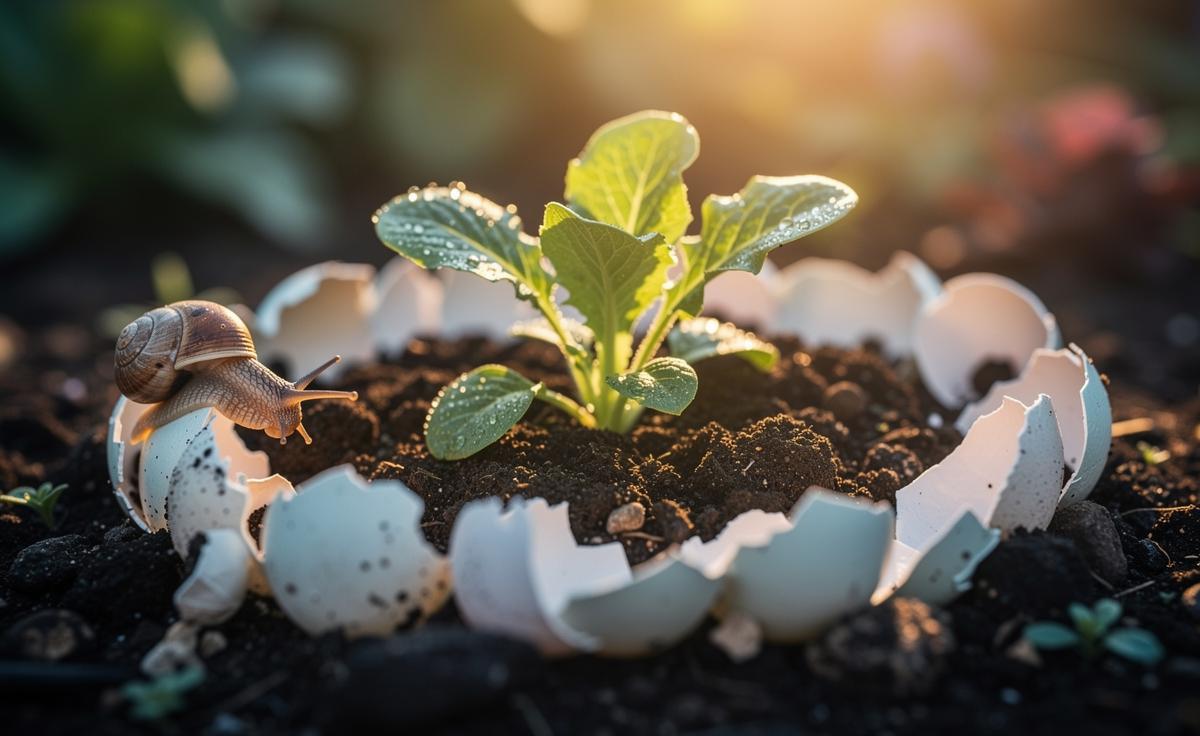
- 🐌 Crushed eggshells act as a physical barrier that deters slugs and snails by their sharp texture, reducing damage to tender seedlings and salad crops.
- 🥚 Prep matters: rinse shells, dry or lightly bake, then crush to 2–5 mm shards; store clean and odourless for quick, safe use.
- 🌱 Apply effectively: lay 3–5 cm continuous rings around plants, press lightly, and refresh after rain, focusing on beds, pots, and vulnerable transplants.
- ⚖️ Know the limits: good for slugs/snails and some cutworms; little effect on aphids or caterpillars—combine with nets, hand-picking, predators, and nematodes.
- 🌿 Eco-friendly bonuses: slow-release calcium carbonate gently feeds soil; fits neatly into integrated pest management without relying on synthetic pellets.
Gardeners love a thrifty trick. Few are thriftier than turning the remains of breakfast into a protective moat for greens and ornamentals. Crushed eggshells offer a simple, low-cost, and low-waste tactic to deter soft-bodied pests while gently feeding the soil with calcium carbonate. Done well, this home remedy can protect tender seedlings, reduce nibbling damage, and cut reliance on synthetic pellets. It is not magic. It is practical. Think of eggshells as a sharp, uncomfortable barrier that makes slugs and snails reconsider your beds and pots. Here’s how to use them effectively, safely, and in step with a broader, nature-first approach.
Why Crushed Eggshells Deter Pests—and Where They Fall Short
The science is pleasingly straightforward. The jagged edges of well-crushed shells create a physical barrier that irritates and dehydrates soft-bodied pests such as slugs and snails. Sharp texture matters more than chemistry here, though the shells do contain calcium carbonate that slowly returns minerals to the soil as it breaks down. In damp, slug-prone corners, a crunchy perimeter around lettuce, hostas, or strawberries can cut nighttime grazing. Eggshells shine as a deterrent, not a poison. You’re making life difficult for pests, nudging them towards easier pickings next door.
Limits exist. Heavy rain flattens and softens shells, reducing bite. Birds or foxes may scatter them. And not all pests care: aphids, caterpillars, and sap-suckers won’t be impressed. Eggshells won’t fix an infestation or poor hygiene. They work best as one tactic within a broader plan that includes clean edges, healthy soil, and varied planting. Accept that eggshells are a tactical line of defence, not a single-answer solution. With that mindset, they perform admirably—especially for small, vulnerable plants during peak slug season.
Preparing Eggshells Safely and Efficiently
Start with clean shells. Rinse to remove albumen, then dry thoroughly so they crush crisply rather than smear. For extra peace of mind, you can bake them on a tray at a low heat for 10–15 minutes to drive off moisture and reduce odours that attract wildlife. This step also makes them brittle. Dry shells crush sharper, work better, and smell less. Once cool, tip them into a bowl or bag and press with a rolling pin, jar, or mortar until pieces range from coarse grit to tiny shards.
Avoid powdering them completely; you want texture. Aim for fragments 2–5 mm across. Store the crushed shells in an airtight jar, ready for quick deployment after rain. If you eat eggs regularly, the supply soon adds up, but invite neighbours to save shells if you need volume. Keep things simple and safe: don’t mix in fats or food scraps. That’s an invitation to rodents. Clean, dry, odourless shells deliver the best balance of deterrence and discretion in the border.
How to Apply Eggshells Around Beds, Pots, and Seedlings
Lay a continuous ring 3–5 cm wide around each plant or along the edge of a bed. Think moat, not confetti. A gap is a gateway. Press the shell layer gently so it beds into the surface but still presents a hostile texture. Reapply lightly after downpours or watering cans have softened the barrier. Refresh after rain—consistency beats one grand application. For pots and raised planters, a perimeter strip at the rim helps, especially at night when slug raids peak.
Target vulnerable moments: new transplants, germinating beans, soft salad leaves, and fading spring bulbs. Blend with other tactics. Evening hand-picking, wildlife-friendly traps, and good airflow complement the shells. Don’t mulch over your barrier; it defeats the point. For beds with dense planting, weave a few mini-rings around clusters rather than one giant circle. The goal is to intercept, not to carpet the garden. Used this way, eggshell rings are tidy, cheap, and surprisingly effective in typical British conditions from March to October.
Which Pests Are Affected? Practical Expectations and Quick Reference
Eggshells influence pests differently. The gritty edge deters some and barely slows others. Use this quick reference to choose where effort pays off, and where you should prioritise companion planting, netting, or beneficial predators. Match the tool to the threat and you’ll save time, crops, and compost.
| Pest | How Eggshells Help | Notes |
|---|---|---|
| Slugs and snails | Sharp barrier discourages crossing. | Refresh after rain; best around seedlings and lettuces. |
| Cutworms | Gritty collar around stems limits access. | Combine with cardboard collars for stems. |
| Vine weevil adults | Mild deterrence on pot rims. | Still use nematodes for larvae in compost. |
| Aphids, whitefly | Little to no effect. | Use jets of water, predators, or nets. |
| Caterpillars | No direct effect. | Net brassicas; encourage birds and parasitic wasps. |
Finally, about soil. Eggshells add calcium slowly as they weather. This is a gentle nutritional nudge, not a liming treatment. Don’t expect a swift pH change. Work pulverised leftovers into compost or topsoil at season’s end for incremental benefit. If urban foxes or rats visit, keep shells very clean and well crushed to avoid lingering smells. In short: deploy shells where texture wins, and supplement with proven controls where it doesn’t. That balance is the backbone of resilient, low-chemical gardening.
Used with intent, crushed eggshells deliver quiet wins: fewer slug scars, sturdier greens, and a satisfying loop from breakfast to border. They cost nothing and reduce waste, yet they slot neatly into integrated pest management alongside nets, hand-picking, wildlife habitat, and sharp observation. Think seasonal rhythms. Watch the weather. Keep the ring intact. Small, regular applications beat heroic one-offs. Ready to put your kitchen cast-offs to work and refine your own eggshell routine—what plant will you protect first, and how will you measure the difference this season?
Did you like it?4.3/5 (23)