In a nutshell
- 💙🧠 Two fish meals weekly deliver marine omega‑3s (EPA/DHA) that support heart rhythm, healthy triglycerides, normal brain function, and vision.
- ☀️ Oily fish supplies valuable vitamin D, plus B12, iodine, and selenium for bones, immunity, thyroid health, and antioxidant defenses.
- 🌍 Choose sustainable, low‑mercury species such as sardines and mackerel, check MSC/ASC labels, and follow NHS limits in pregnancy.
- 🛒 Tinned, frozen, or fresh options keep costs down and prep easy; aim for ~140g cooked portions and rotate species to diversify nutrients.
- 🍽️ Make it stick with simple routines—one fixed dinner, one flexible lunch—using quick dishes (tray‑baked salmon, sardine toast, prawn stew) to build a twice‑weekly seafood habit.
Eating fish twice a week isn’t a faddy wellness hack; it’s a habit with deep scientific roots and a practical pay-off for busy households. From heart health to mood, from bones to brain, the benefits stack up quickly when you make room for oily and white fish across your weekly meals. Two simple servings can meaningfully nudge your long-term wellbeing in the right direction. In the UK, guidance is clear: aim for at least two portions a week, including one of oily fish, and vary species for balance and sustainability. That’s achievable with tins, freezer staples, or fresh fillets from your local fishmonger. Small change. Big results.
Heart and Brain Gains on a Plate
Oily fish such as salmon, mackerel, sardines, and herring provide the marine omega‑3s EPA and DHA. These fats support normal heart function by helping maintain healthy triglyceride levels and supporting a steady rhythm. They also contribute to normal brain function and vision. For many adults, two fish meals a week is a remarkably efficient way to tilt the diet toward cardiometabolic resilience. Crucially, fish delivers these benefits without loading you with saturated fat, and the protein keeps you satisfied, which helps with sensible portion control across the day.
There’s a cognitive dividend, too. DHA is a key structural fat within the brain and retina, which is why nutritionists single out oily fish as a smart default for desk workers, students, and older adults alike. Think of it as maintenance for the mind. The anti‑inflammatory profile of seafood complements this effect, especially in patterns like the Mediterranean diet. Add in potassium and selenium, and you have a nutrient bundle that quietly supports blood pressure, thyroid health, and antioxidant defences. Small portions, big reach across multiple systems. That’s the quiet magic of a well-chosen fillet.
Protein, Vitamin D, and Mineral Richness
Fish is a lean, high‑quality complete protein, providing all essential amino acids for muscle repair and day‑to‑day energy. It’s versatile, quick to cook, and forgiving for weeknights. White fish such as cod and haddock are naturally low in fat, while oily fish brings the fat‑soluble nutrients. In the UK—where winter sunlight is scarce—oily fish is one of the best dietary sources of vitamin D, the nutrient that helps maintain normal bone, teeth, and immune function. Two fish meals can help bridge seasonal gaps that supplements often fill, especially if you’re not routinely outdoors during shorter days.
You also get a reliable hit of iodine for thyroid function and vitamin B12 for red blood cells and nerves, plus selenium to support antioxidant enzymes. Shellfish like mussels and prawns add iron and zinc to that list, diversifying your micronutrient intake with minimal calories. Because seafood cooks fast, nutrients are preserved with gentle methods like steaming, grilling, or air‑frying. Keep preparation simple: lemon, herbs, a drizzle of olive oil. The less you fuss, the more you keep. That way, the health value stays intact while the flavour stays bright.
| Fish | Type | Approx Omega‑3 (g/100g) | Mercury Risk | Sustainability Tip | Typical Portion |
|---|---|---|---|---|---|
| Salmon (Atlantic) | Oily | 1.5–2.5 | Low–Medium | Look for MSC/ASC labels | ~140g cooked |
| Mackerel | Oily | 2.0–3.5 | Low | Prefer Northeast Atlantic stocks | ~140g cooked |
| Sardines | Oily | 1.5–2.0 | Low | Tinned options are efficient | 1 small tin |
| Cod | White | 0.2–0.3 | Low | Choose certified North East Arctic | ~140g cooked |
| Haddock | White | 0.2–0.3 | Low | Check local landing info | ~140g cooked |
| Tuna (canned) | Oily (lower DHA) | 0.3–0.5 | Medium | Skipjack over albacore | 1 standard tin |
Choosing Sustainable, Low-Mercury Options
Good news: most widely available UK seafood can be both safe and sustainable when you pick carefully. Scan for the MSC (wild) or ASC (farmed) ecolabels, and favour smaller, fast‑growing species like sardines, anchovies, and mackerel. These fish are naturally lower on the food chain and typically lower in mercury. Diversity is your ally—rotate species across the month to spread nutrients and minimise exposure. If you’re pregnant or planning pregnancy, follow NHS limits on tuna and avoid shark, swordfish, and marlin. For everyone else, oily fish up to a few times a week is generally fine.
Farmed versus wild? It depends on the species and the farm’s standards. Well‑managed farms deliver consistent omega‑3 levels and traceability, while wild fish can vary by season and location. Either way, check origin and method; reputable retailers now display this clearly. Frozen fish is a hero: budget‑friendly, long‑lasting, and often frozen at sea for peak freshness. Tinned fish reduces waste and travel. Sustainability isn’t about perfection—it’s about better defaults made repeatable. Choose responsibly once, then build meals around those dependable staples without overthinking every shop.
Simple Ways to Make Two Servings Stick
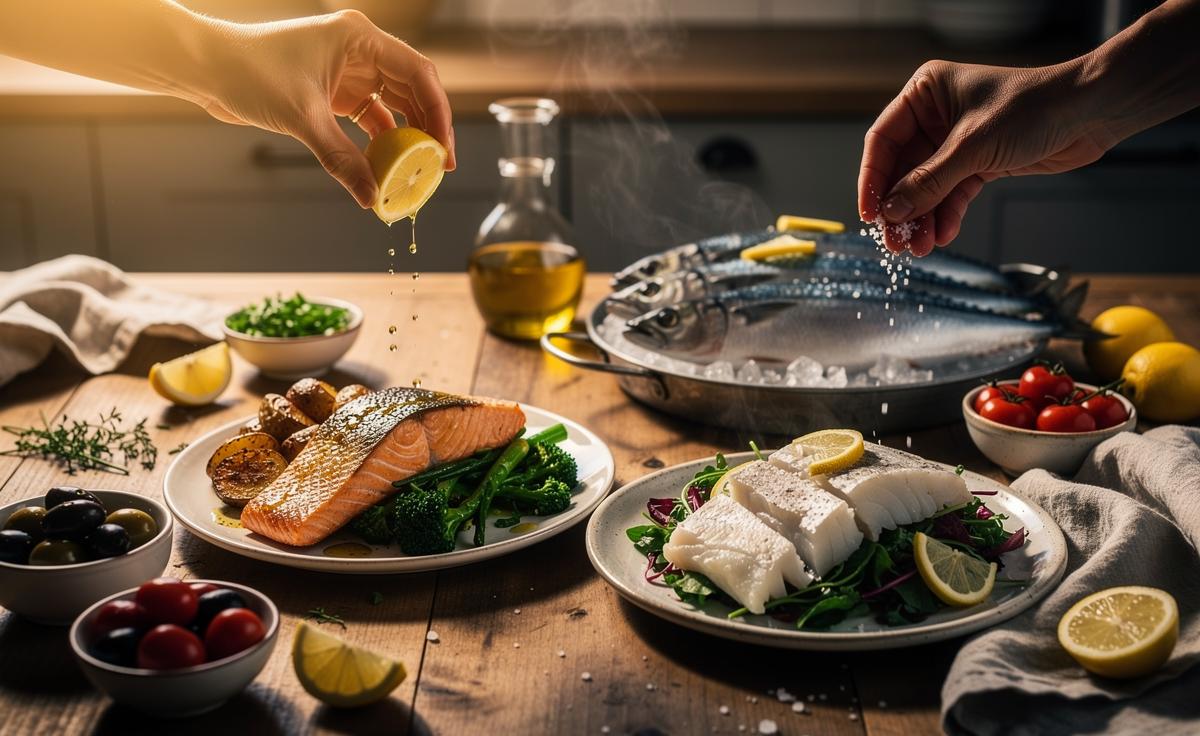
Practicality wins. Keep a “seafood shelf” with tins of sardines, mackerel, and tuna for fast lunches: mash with lemon and yoghurt, pile onto toast, or toss through wholemeal pasta with capers. Tray‑bake a side of salmon with new potatoes and tenderstem in 20 minutes; leftovers become a protein‑rich salad tomorrow. Swap Friday’s takeaway for grilled haddock, peas, and oven chips. Rituals make habits easy. Build one weekly fish night that rarely moves, then add a second serving at lunch when the week runs long.
Batch cooking helps. Fishcakes from leftover mash and smoked mackerel freeze beautifully. So does a tomatoey prawn stew. Air‑fry cod goujons for the kids, and they’ll meet you halfway on texture. Buy value packs, portion, and freeze individually for quick midweek wins. Flavour hacks are simple: harissa and yoghurt, miso and honey, or a classic lemon‑garlic butter. Ten minutes, pan hot, job done. When the barrier to entry drops, the healthy choice becomes the default. Two portions a week stops being a target and becomes a rhythm—quietly nourishing, easily maintained.
Twice-weekly fish threads nutrients into everyday life without fuss, aligning taste, speed, and long‑term health in one reliable routine. It scales to any budget with tinned, frozen, or fresh options, and it rewards curiosity: new species, new sauces, new textures. The sweet spot is variety plus consistency. Start with one fixed dinner, add one flexible lunch, and let the habit mature. Your heart, brain, and bones will thank you for the nudge. As you plan the week ahead, which two dishes feel so simple—and so tasty—that they could become your household’s new seafood staples?
Did you like it?4.6/5 (21)