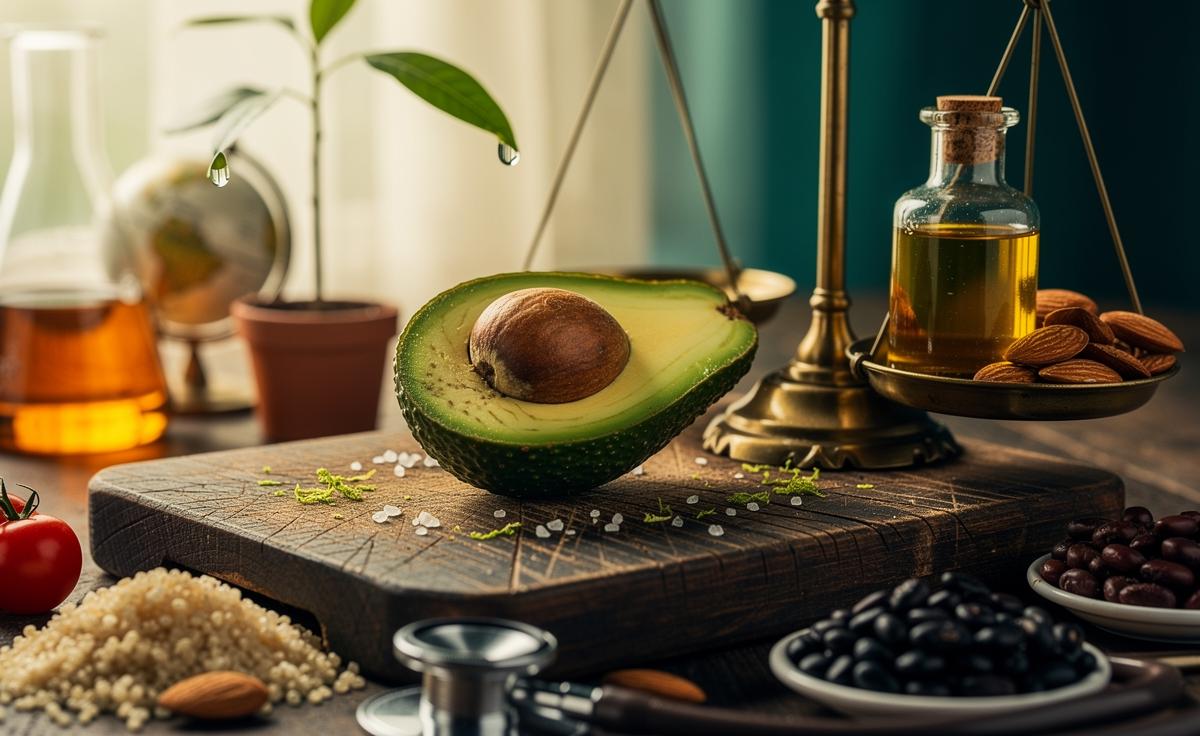
In a nutshell
- 🥑 “Superfood” is marketing, not a legal definition; avocados are nutrient-dense but no single food can fix a poor diet.
- 📊 Per 100g: ~160 kcal, 15g fat (mostly monounsaturated), 6–7g fibre, plus potassium and folate; their fats aid absorption of lutein and other antioxidants.
- ❤️ Evidence: swapping saturated fats for avocado can lower LDL cholesterol; satiety may help weight control, while skin and blood-sugar claims are limited/unproven.
- 🍽️ Use avocado as a swap, not a pile-on; pair with vegetables, pulses and wholegrains; mind calories and potential FODMAP/IBS sensitivities.
- 🌍 Sustainability counts: water demands, transport emissions and labour issues vary; choose certified or closer-season fruit and minimise waste by smart storage.
Avocados have been cast as the glossy poster child of clean eating, a creamy green shorthand for wellness on toast. But does the fruit warrant the label so often pinned to it: superfood? As with most diet trends, the spotlight conceals nuance. Nutrition scientists love context, marketers love simplicity, and shoppers are left juggling both. The avocado sits in the crosshairs of taste, nutrition, and ethics, making it a revealing test case for how we talk about “miracle” foods. The truth sits somewhere between the hype and the hard data, inviting a closer look at what the science, and the supply chain, actually say.
What ‘Superfood’ Really Means
The term superfood has no legal definition. It’s a marketing flag that signals a food is exceptionally rich in beneficial nutrients. That can be helpful shorthand, yet it risks creating a health halo that outshines basics like variety, portion control, and overall dietary pattern. Dieticians tend to focus on nutrient density—how many vitamins, minerals, and protective compounds you get per calorie—rather than on hype.
By that measure, avocados do well. They deliver monounsaturated fats, fibre, potassium, folate, and carotenoids that support heart and eye health. They’re versatile, too: smashed on toast, diced in salads, blitzed into smoothies, or swapped for butter in baking. Yet calling any single ingredient a cure-all invites disappointment, or worse, displacement of other essentials, from pulses to wholegrains. No one food can out-muscle a poor diet; patterns trump one-offs.
“Superfood” language also obscures trade-offs. An avocado can be both nourishing and calorie-dense; both heart-friendly and environmentally contentious depending on where and how it’s grown. The smarter question is not whether it’s “super,” but whether it strengthens an already balanced plate—and whether the way it reaches that plate aligns with your values.
Inside the Avocado: Nutrients, Fats, and Fibre
Per 100g (about half a medium fruit), avocado offers roughly 160 kcal, 15g of fat, and 6–7g of fibre. Most of that fat is monounsaturated, dominated by oleic acid, the same heart-supporting lipid that gives olive oil its reputation. You’ll also find around 485mg of potassium—greater gram for gram than bananas—plus folate, vitamin K, vitamin E, and small amounts of vitamin C. The fruit’s creamy matrix helps you absorb fat-soluble antioxidants, including lutein and zeaxanthin, which support eye health.
It’s not all halo. The calorie density can trip up casual snackers; a generous bowl of guacamole adds up quickly. Some people with sensitive guts may react to the fruit’s sorbitol and fermentable carbs; portion size matters for those navigating IBS or a low-FODMAP plan. In nutrition, the dose is often the difference between benefit and bother. That said, for most people, a half fruit folded into meals a few times a week threads the needle between richness and restraint.
Texture is part of the appeal. Avocado’s creamy mouthfeel can replace butter or cheese in sandwiches, lowering saturated fat without sacrificing indulgence. Pair it with tomatoes and citrus to boost flavour and vitamin C, and with pulses or wholegrains to build complete, fibre-forward meals. The fruit plays well with others, which is precisely how it does its best work.
Claims vs Evidence: Heart Health, Weight, and Skin
What does the research say? Randomised trials suggest that swapping saturated fats for avocado’s monounsaturated fats can modestly lower LDL cholesterol and improve overall lipid profiles. Observational studies link avocado eaters with better diet quality and higher fibre intake. Satiety often rises when meals include avocado, which may help some people manage portions. As for glowing skin and blood-sugar miracles, the data are thinner; benefits are plausible via healthy fats and micronutrients, but claims often stretch beyond peer-reviewed evidence. Avocados support heart-smart eating, but they are not a magic bullet for weight loss or perfect skin.
| Claim | Evidence | Verdict |
|---|---|---|
| Improves heart health | Trials show LDL reduction when replacing saturated fat | Supported |
| Aids weight loss | Increases satiety; overall effect depends on total diet | Mixed |
| Clears skin | Limited direct evidence; nutrients may help indirectly | Unproven |
| Controls blood sugar | Low sugar; fibre may blunt spikes; modest effects | Limited |
Practical takeaway: use avocado as a swap, not a pile-on. Replace butter in a sandwich, not alongside it. Respect its calories, respect its fibre, and let it ride with vegetables, beans, seeds, and wholegrains. That’s where the measurable gains live.
Sustainability and Ethics: The Cost of Green Gold
There’s a thorn beneath the glossy skin. High global demand has driven rapid expansion of avocado orchards in parts of Mexico, Chile, and Peru. In drought-prone regions, water use is a flashpoint; estimates vary, but avocado trees can require substantial irrigation compared with some local staples. Transport emissions add up when fruit flies thousands of miles to UK shelves. How healthy a food is can’t be divorced from how responsibly it’s produced and shipped.
Nuance matters. Not all avocados are equal: rain-fed orchards, certified farms, and shorter supply chains—think Spanish or Moroccan seasons—can lower the footprint. Look for certifications that address labour and environment, and buy only what you’ll eat; food waste squanders every litre of water and gram of carbon already spent. Ripen at home, then refrigerate to slow spoilage, and favour loose fruit to cut packaging where possible.
There are social dimensions too, from smallholder livelihoods to reports of criminal interference in certain growing regions. Responsible sourcing policies from retailers can help, as can consumer curiosity. Ask questions, rotate your fats—olive oil, rapeseed oil, nuts, seeds—and keep avocado in the mix without making it the centrepiece every day.
So are avocados truly a superfood? If by “super” we mean nutrient-dense, versatile, and helpful when used to replace less healthy fats, then yes—within limits they earn their stripes. If we mean a miracle ingredient that trims your waistline, polishes your skin, and absolves dietary sins, the answer is no. The power of the avocado lies in context: how it’s grown, how it’s eaten, and what it replaces. Given the science and the supply chain, how will you fit this green fruit into a balanced, responsible plate this week?
Did you like it?4.5/5 (25)