In a nutshell
- 🧽 Hidden germ hotspots: dishcloths, sponges, and tea towels can harbour E. coli and biofilms; rotate daily, wash at 60°C, dry fully, and use colour-coded chopping boards to prevent cross-contamination.
- 🧊 Fridge safety: keep temperature at or below 5°C, store milk on the middle shelf, raw meat sealed on the bottom, and refrigerate leftovers within 2 hours; remember freezers pause growth, they don’t sterilise.
- 🌬️ Air quality risks: gas hobs and high-heat frying emit NO₂ and PM2.5; use an outside-venting extractor, start it early, run it after cooking, and keep oils below their smoke point.
- 🍞 Chemical pitfalls: avoid overheated or flaking non-stick pans, aim for golden to limit acrylamide, and never mix bleach with ammonia-based cleaners; store detergents securely away from children.
- ✅ Safer routines: hot-wash cloths, clean seals and gaskets, wipe fridge condensation, label dates, and protect the cold chain—small daily habits build a safer kitchen.
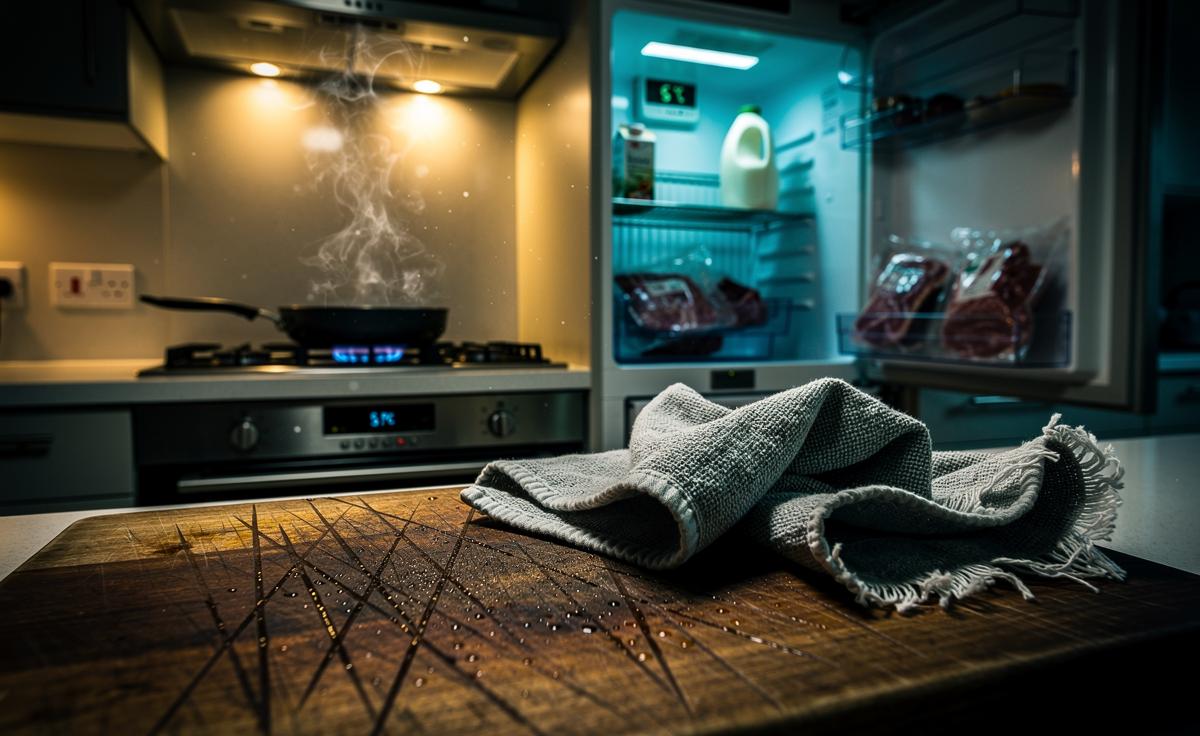
Your kitchen looks spotless, but danger often wears a sheen. Invisible microbes, overlooked chemicals, and silent gases can turn a family hub into a quiet hazard zone. We wipe, rinse, and stack, assuming clean equals safe. Often, it doesn’t. In recent UK surveys, common items like tea towels and chopping boards showed higher bacterial loads than bathroom surfaces, while warm fridges let pathogens multiply unchecked. Small habits compound. So do small mistakes. The stakes? Upset stomachs at best, hospital visits at worst. The most treacherous risks hide in plain sight. Here’s what to watch, why it matters, and how to fix it before the next meal is on the table.
The Dirtiest Items Aren’t Where You Think
Start with cloths and sponges. They look harmless. They are not. Tests frequently find E. coli, Campylobacter, and Staphylococcus aureus thriving in damp fibres, fed by food residues and warm hands. Your dishcloth may carry more bacteria than your toilet seat. Rinsing isn’t enough; biofilms protect microbes from casual soap. Rotate cloths daily, wash at 60°C, and let them fully dry. Consider paper towels for raw meat spills. Tea towels are similar culprits, especially when used interchangeably for hands, plates, and produce. That innocent quick wipe can seed a chain of cross-contamination across handles, taps, and lunchboxes.
Chopping boards tell the same story. Knife grooves trap juices, keeping Salmonella safe even after a fast rinse. Use colour-coded boards: one for raw meat and fish, another for ready-to-eat foods. Replace boards when they scar. Don’t forget hidden niches: blender gaskets, rubber fridge seals, sink plugs, and reusable water bottle lids. These damp, dark crevices act like microbial greenhouses. Disassemble appliances weekly and run parts through a hot wash. Dry thoroughly; dryness is the enemy of bacterial growth. A minute saved today can cost days on the sofa tomorrow.
Cold Comfort: The Perils of a Warm Fridge
A fridge that’s too warm is a buffet for microbes. Keep it at or below 5°C; many UK households sit closer to 8°C without knowing. Door shelves are the warmest zone, so milk belongs on a middle shelf, not the door; raw meat should sit boxed on the bottom shelf to stop drips. Temperature, not tidiness, determines safety. Leftovers? Cool quickly and refrigerate within two hours. Most are safe for 2–3 days; beyond that, risk climbs. Nose tests are unreliable; pathogens don’t always smell. Use a simple fridge thermometer and check it weekly, especially during heatwaves when compressors struggle.
| Item/Zone | Hidden Risk | Safe Target | Quick Fix |
|---|---|---|---|
| Fridge temperature | Fast growth of Listeria, E. coli | ≤ 5°C | Use a thermometer; adjust dial |
| Door shelves | Warmer air; milk spoils faster | Coldest zone for dairy | Store milk on middle shelf |
| Raw meat | Drip contamination | Sealed and low | Keep boxed on bottom shelf |
| Leftovers | Time–temperature abuse | 2-hour rule | Cool quickly; label dates |
Freezers aren’t magic either. They pause growth; they don’t sterilise. Thaw in the fridge, not on the counter, and cook from thawed within 24 hours. Reheat to steaming hot throughout. And remember: condensation pooling under veggie drawers becomes a microbe paddling pool if ignored. Wipe it out. Keep the cold chain intact from supermarket to shelf.
Invisible Fumes and Hidden Chemicals
Not all kitchen dangers come in a splash. Some arrive as a breath. Cooking on gas releases nitrogen dioxide (NO₂) and fine particles that can irritate airways, especially in children and asthmatics. Frying at high heat—gas or electric—also emits PM2.5. If you can smell the sizzle, your lungs can “taste” it. Use an effective extractor hood that vents outside, not just recirculates. Switch it on first and keep it running for ten minutes after cooking. Crack a window if possible. Keep pans below their smoke point to reduce fumes, and choose oils suited to the heat you need.
Then there are the stealthy chemistries. Overheating old non-stick coatings can release irritating fumes; discard flaking pans and avoid scorching empty ones. Browning is delicious, burning is risky: acrylamide forms in over-toasted bread and overdone chips. Aim for golden, not mahogany. Under the sink, never mix cleaners—particularly bleach and products containing ammonia—as they can create toxic gases. Store tablets and detergents high and locked if little hands visit. Finally, read labels. “Antibacterial” isn’t a superpower; correct contact time and rinsing matter more. The smartest safety tool is a habit, not a spray bottle.
We imagine danger as dramatic, but kitchens deal in quiet accumulations: one swipe, one degree, one extra minute in the toaster. The good news is that small, repeatable tweaks—hot washes for cloths, a thermometer in the fridge, the extractor on every time—change the odds swiftly. Safe kitchens are built on routines, not worry. You don’t need a laboratory, just a checklist and a little patience. Which hidden risk will you tackle first this week, and what simple habit will you adopt to make it stick?
Did you like it?4.6/5 (20)